Understanding Patagonia
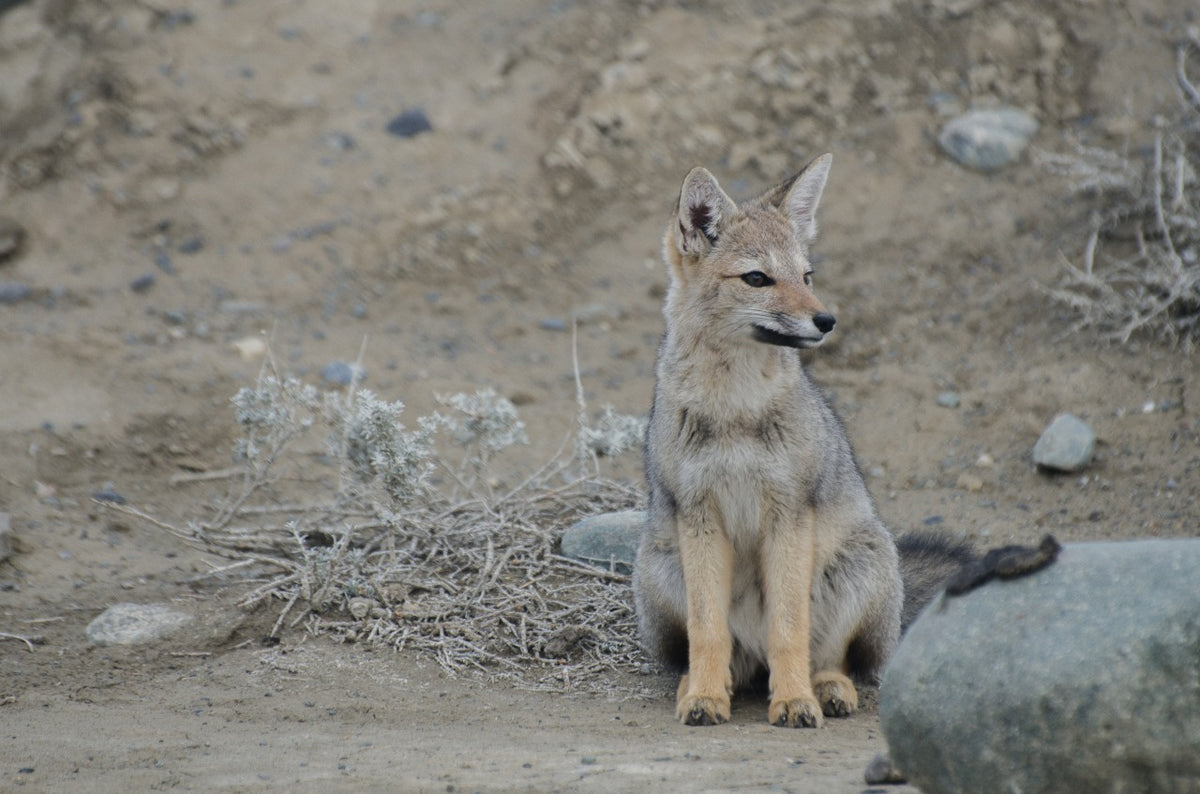
It is important to understand that the name “Patagonia” makes reference to a geographical region and to a politically delimited area.
Patagonia is located in the extreme south of South America, and its area is shared by Argentina (76%) and Chile (24%).
It covers the southern part of the Andes Mountain range, from the Andes westward to the Pacific Ocean (on the Chilean side), and from the Andes eastward to the Atlantic Ocean (on the Argentinian side).
Limits
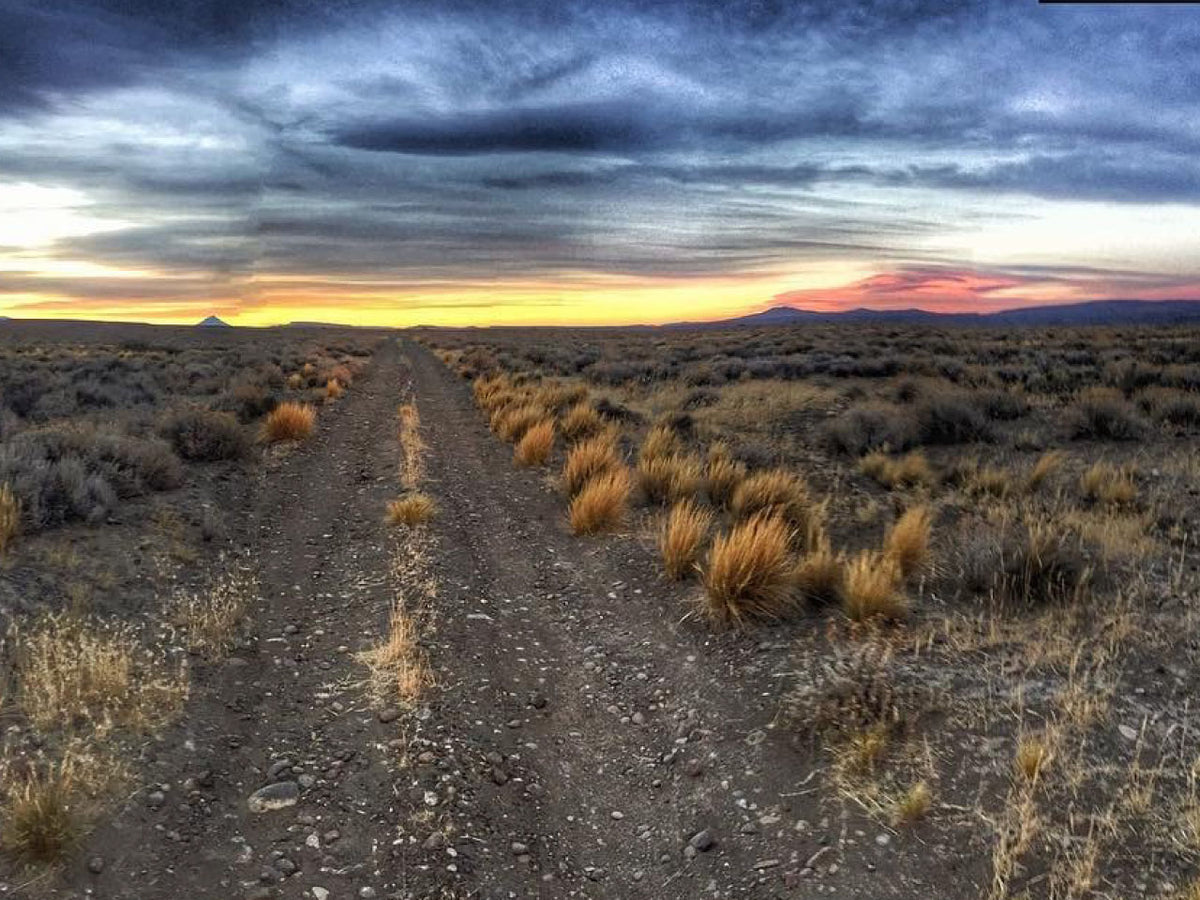
Argentinian Patagonia: It currently stretches from the Andes Mountain range in the west to the Atlantic Ocean in the east, and to the north from the Barrancas and Colorado rivers, extending southward to the waters of the Drake Passage, the boundary between the Atlantic and the Pacific oceans.
Taking into account these limits, the Argentinian Patagonia totals 1,061,000 km2 and includes the provinces of Neuquén, Río Negro, Chubut, Santa Cruz, and Tierra del Fuego.
Chilean Patagonia: On its part, Chilean Patagonia has well-defined limits to the west at the Pacific Ocean, to the east at the Andes Mountain range, and to the south as far as Cape Horn. However, the northern limit of Chilean Patagonia is not completely defined. Today, the public opinion accepts its northern limit as 39º south latitude, at Villarrica.
Based on orographic, climatic and biological aspects, Patagonia can be divided into two areas:
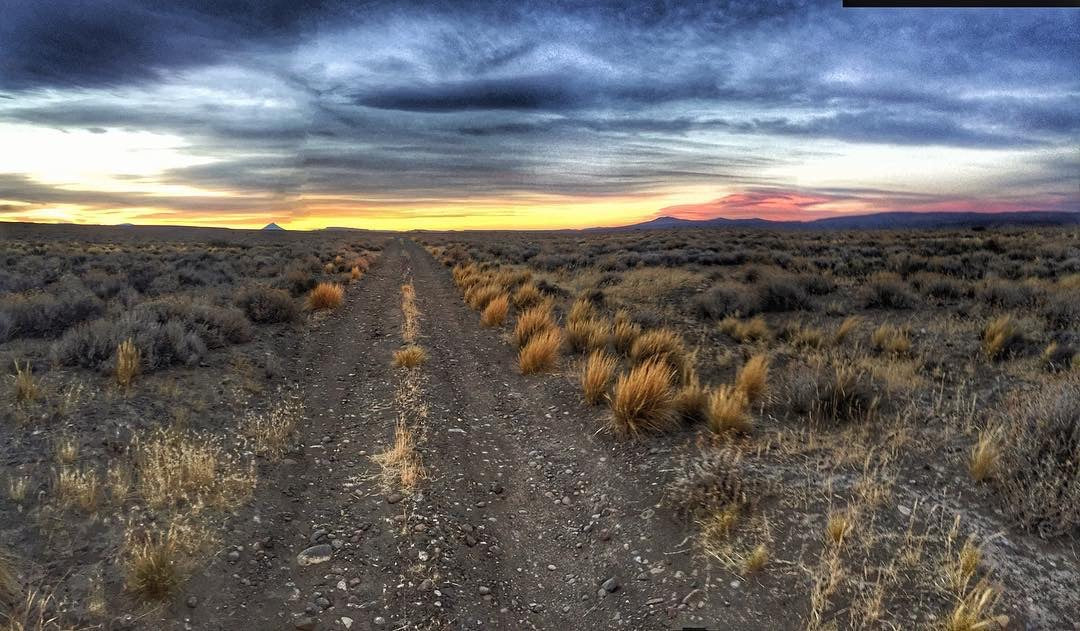
To the west, the Andean area, comprising from the southern stretch of the Andes Mountain range to the Pacific Ocean coast, with humid climate and forests. And the extra-Andean area to the east, which stretches from the Patagonian plateau to the Atlantic coast, with a desert-like climate and steppes or shrubland.
Facts About Patagonia
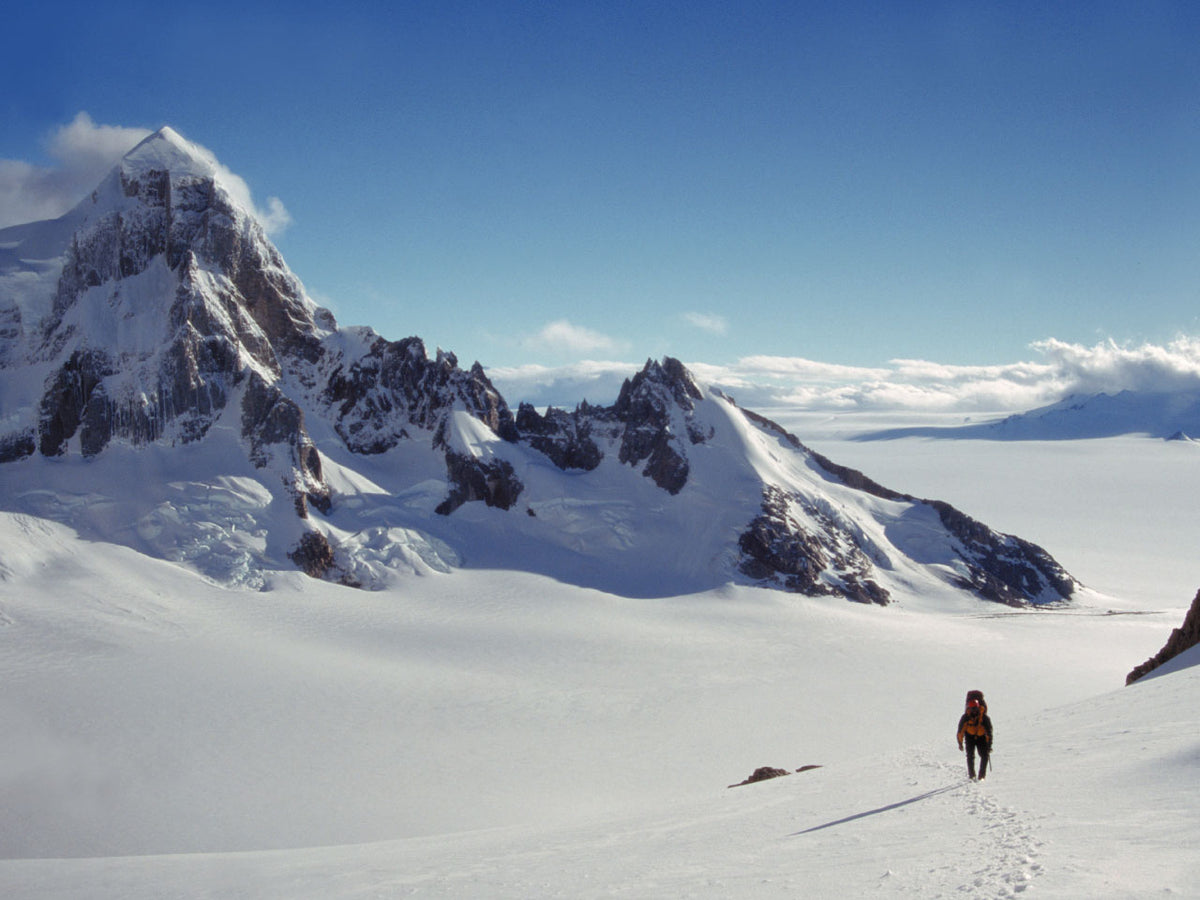
Both countries have organized their territories into administrative subdivisions. Argentina is divided into provinces and departments, while Chile is divided into regions, provinces and communes.
The highest point in Patagonia is the Domuyo Volcano, in Argentina, at 4709 meters above sea level.
The lowest point is the Laguna del Carbón, in Argentina, at −108 meters above sea level. This is also the lowest point of the American continent and of the southern and western hemispheres.
Population in the Patagonia region

As regards the demographic density in Argentinian Patagonia, it is important to clarify that more than 1.3 million inhabitants (almost 50%) live in the eight most populated cities of this region.
Timezone
Argentina has a GMT−3 time zone, which means that it is 3 hours behind the Greenwich Meridian, and Chile has the GMT−4 time zone, therefore, it is one hour behind Argentina. Every year, Chile adjusts the clock to change to winter time. This is a government decision that is important to take into account.
Languages
Spanish is the official language both in Argentina and Chile.
In the larger cities or most touristic towns, you will find people who also speak English, but this is uncommon in rural areas.
Currency
The local currency in Argentina is the Argentinian peso.
The local currency in Chile is the Chilean peso.
Weather

The climate in Patagonia changes rapidly and is relatively unpredictable. You can easily experience all four seasons in a single day, and we are not exaggerating! It should come as no surprise to get caught in a snowfall during the summer, or experience a clear, warm day during the winter.
In general, we can describe the climate in Patagonia as follows:
Fauna
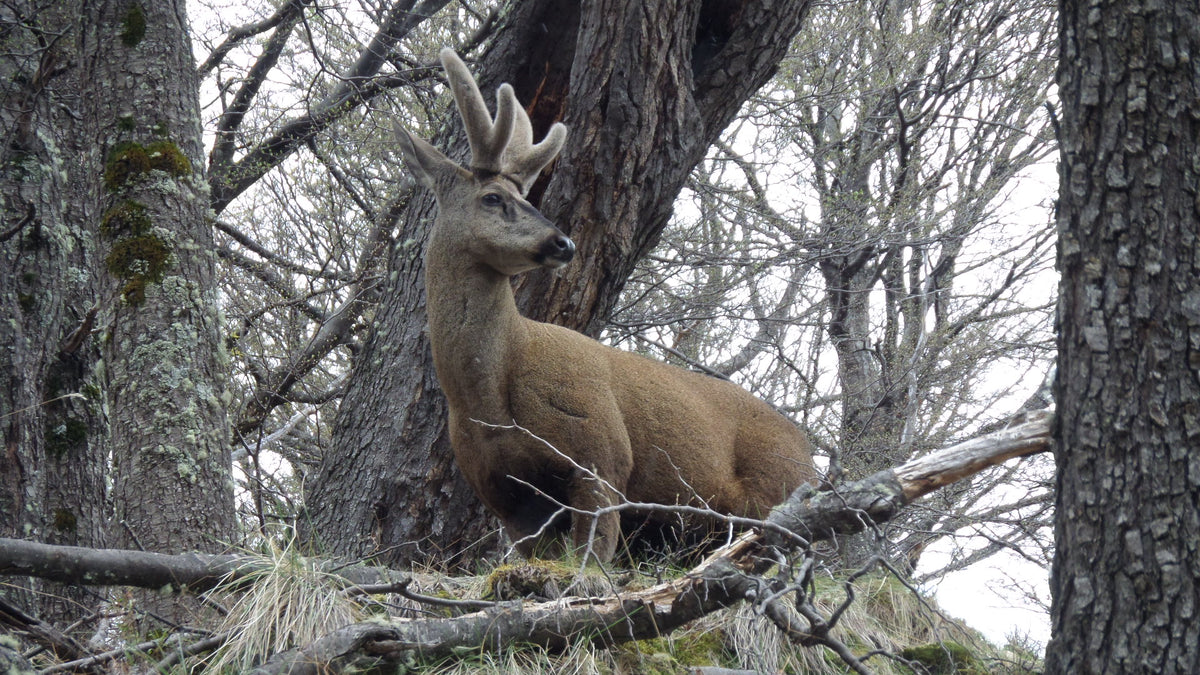
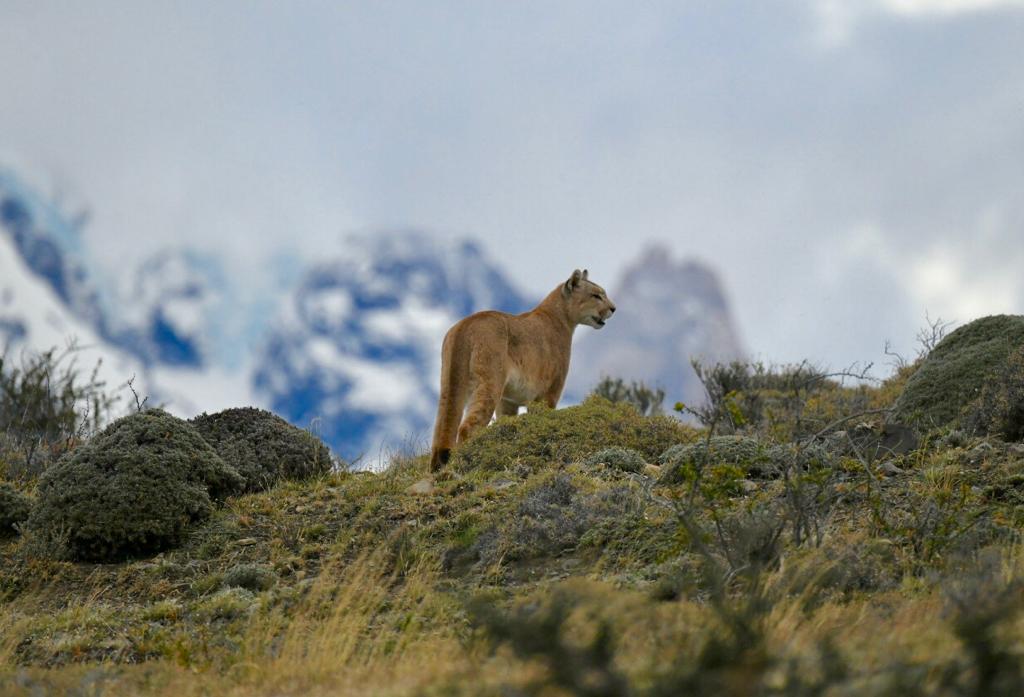
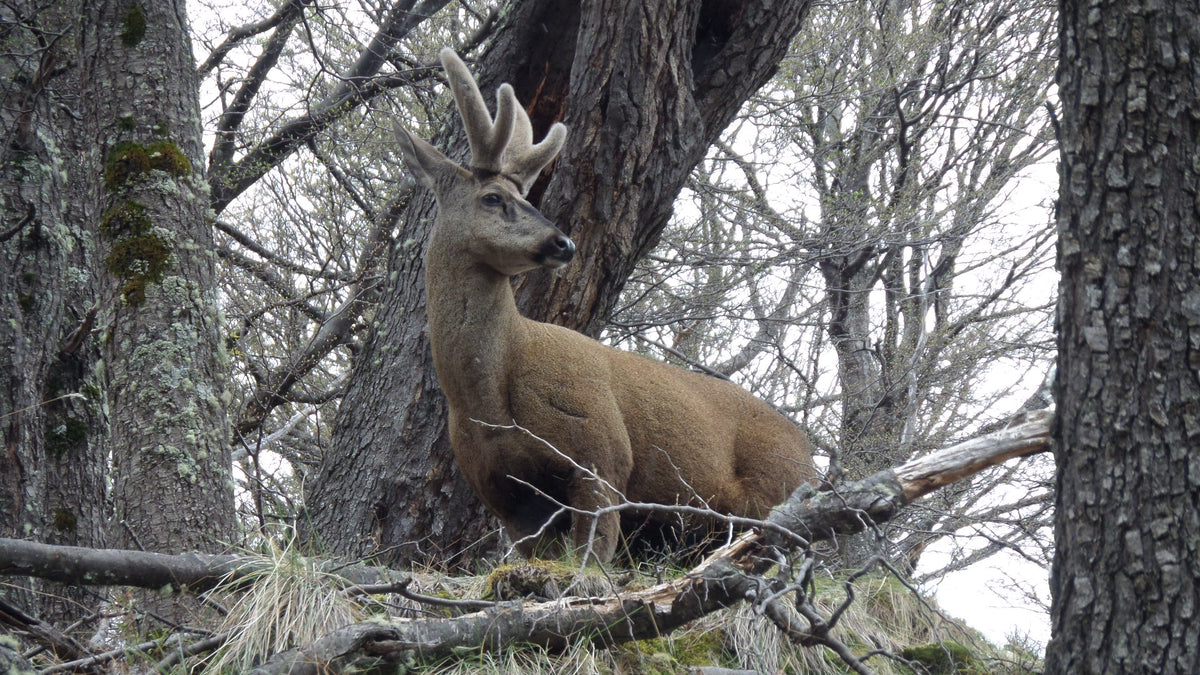
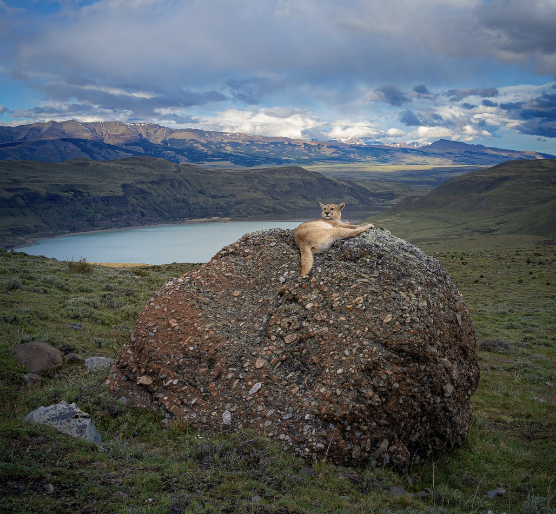
The native fauna of the Argentinian Patagonia include deer (e.g., the huemul and the pudu), pumas, maras and Patagonian hares, guanacos, foxes, condors, black-necked swans, and rheas.
The marine fauna includes sea lions and elephant seals, whales, orcas, petrels, cormorants, dolphins, Commerson’s dolphins and penguins.
The Península Valdés receives the largest breeding population of southern right whales in the world, with more than 2,000 catalogued by the Whale Conservation Institute and the Ocean Alliance. The region comprises six nature reserves and is considered one of the main and most important whales watching destinations on the globe, especially around Puerto Pirámides and the city of Puerto Madryn.
Electric voltage in Patagonia
The voltage in Chile and Argentina is 220 volts, 50 cycles (220v 50Hz).
Therefore, for 110-volt electronic devices you will need to use a transformer.
In addition, we recommend a travel adapter as you will find various forms of plugs during your trip.
Vaccines required for Patagonia
Chile and Argentina do not require a vaccination certificate to enter the country.
In addition, medication to treat rabies and malaria are not considered necessary to go to Patagonia.